LIVE LONGER BETTER
  • The Mission
    • Healthy Ageing
    • Priorities >
      • Preventing disease
      • Preventing harm from dementia >
        • Dementia risk reduction
        • Dementia Community Programme
        • Dementia Support Programme
      • Increasing activity >
        • Walking More
        • Getting Stronger
      • Engaging with Arts, Culture and Learning
      • Encouraging Volunteering
      • Reducing the Need for Social Care
      • Combatting Deprivation and Ageism
      • Management priorities
    • Glossary
    • National Knowledge Service >
      • Science
      • Library
    • Your Live Longer Better Companion
  • The System
    • LLB Development Programme >
      • The LLB Lab
    • W:ISH
    • System Specification
  • the Network
    • ukactive/Sport England/ICBs
    • W:ISH
    • Healthier UK
    • Digital Inclusion
    • MotusVR
    • Reconditioning
    • Social care
    • Public Health
    • NHS Physical
    • Neighbourhoods
    • Future of Social Care
    • Housing
    • Government
    • the NHS
    • Pensions & Income
    • the Ramblers
    • Faith Organisations
    • The Cultural Revolution >
      • Learning
      • The Centre for Ageing Better
      • the U3A
      • Age UK
      • Education and Learning
    • Digital
    • Industry
    • Sports
    • Parks
    • Charities
    • the populations >
      • Population Northants
      • Population S&W Herts

Learning for Living Longer Better

​Learning about Living Longer Better –Mark Fishleigh and Elspeth Briscoe
Objective
Online group learning for older people, including older people with multi morbidity, frontline professionals and volunteers about the determinants of living longer better and the actions that individuals can take.
Action
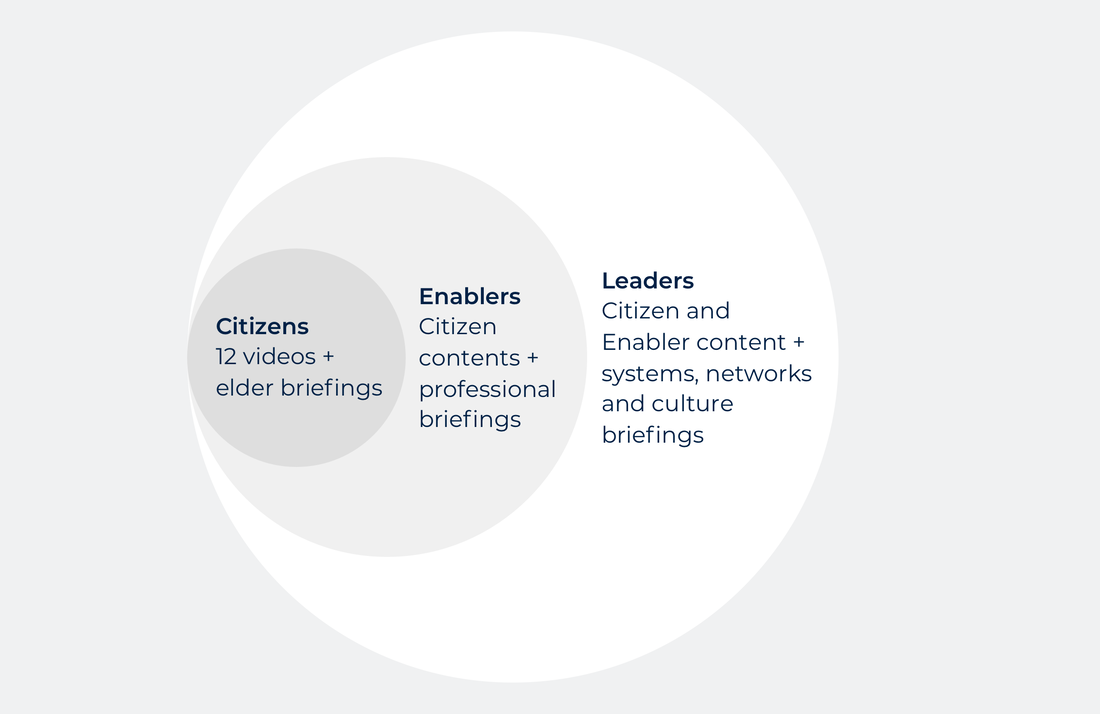
This is an online learning system based on the principle of the Fourth Education Revolution, namely that people learn more from one another than from the lecturer. This is being used in places such as South Devon, Torbay and Bristol, North Somerset and South Gloucestershire for both primary and secondary prevention with the latter being a small group health coaching programme for people with multimorbidity.

​There is a complementary programme for front line staff and volunteers.
Strategic priority as
defined in the Darzi
Report, the 2025/26
Operating Model and
the Neighbourhood
Health guidelines
Moving from treating sickness to preventing it
Changing from analogue to digital
Contact
Elspeth Briscoe and Mark Fishleigh
Learning with Experts
Oxford
www.learningwithexperts.com
Here are the learning outcomes of the modules 

​​
UNDERSTANDING AGEING
By the end of this module you will be able to 
  • Define what is meant by the term ageing
  • Emphasise how the effects that many people assume are due to ageing are in fact due to three other factors – loss of fitness, disease and negative beliefs and attitudes
  • Encourage other people to be positive about ageing and take action to reduce loss of fitness or preventable disease.
UNDERSTANDING FITNESS 
By the end of this module you will be able to 
  • define what is meant by fitness and describe how it relates to ageing?
  • describe the different dimensions of fitness and how they can be improved?
  • understand the social barriers to increased activity and how people overcome these barriers.
PREVENTING AND COPING WITH DISEASE
By the end of this module you will be able to 
  • Define the relationship between disease, ageing and loss of fitness
  • Explain the importance of loss of fitness for people who have one or more than one long term condition, whatever their age
  • Take action to ensure that the treatments that are being offered are all those with a high probability of benefit and low probability of risk
UNDERSTANDING AND CHANGING HOW PEOPLE THINK ABOUT AGEING
By the end of this module you will be able to 
  • define the difference between beliefs and attitudes
  • describe how negative beliefs and pessimistic attitudes can increase the rate at which ability is lost and disability develops 
  • encourage someone to become more positive by informing them about the relative unimportance of ageing compared with loss of fitness
UNDERSTANDING BRAIN AND MIND
By the end of this module you will be able to 
  • discuss the relationship of the brain and the mind
  • ​describe the difference between the effects of normal ageing and the effects of dementia 
  • explain what can be done to optimise brain ability and reduce the risk of dementia 
DEVELOPING STRENGTH AND POWER 
By the end of this module you will be able to 
  • describe the difference between between strength and power 
  • define the reasons why strength declines as people live longer
  • state what can be done to maintain and increase strength and power
INCREASING STAMINA
By the end of this module you will be able to 
  • Explain what is meant by moderate intensity exercise and how that can be achieved?
  • Know the type of activity that other people can be encouraged to take up or increase to increase stamina.
  • understand the importance of increasing stamina in people with heart or lung disease
MAINTAINING AND IMPROVING SKILL 
By the end of this module you will be able to 
  • Define what is meant by a skill and why it is important to maintain and develop skills
  • Understand why ageing by itself is less important for losing skills than failing to use them and proving the concept of "use it or lose it" to everyone
  • Promote and encourage new activities specifically designed to improve skill and coordination and helping others to do the same whatever their age and whatever number of  long term conditions they may have.
INCREASING SUPPLENESS 
By the end of this module you will be able to 
  • understand what is meant by suppleness and how it relates to stiffness
  • discuss and describe the relative contributions of ageing, loss of fitness and disease to the development of fitness
  • take action to increase suppleness 
 
 TOP TEN QUESTIONS 

Here is another way of thinking about the benefits of the modules . Here are the top ten questions that you will be able to answer after working through the Academy's modules 

  • What is ageing?
  • What is fitness and how does it relate to ageing?
  • What are the common diseases on old age and can they be prevented?
  • What do people , including professionals believe about growing older?
  • How can healthy life expectancy be increased so we live well longer?
  • What is dementia  and can it be prevented?
  • How can people be helped to feel better?
  • How can physical ability be maintained or improved?
  • How can cognitive ability be maintained or improved?
  • Is population ageing positive or negative?

Email us
© 2026 Learning with Experts
  • The Mission
    • Healthy Ageing
    • Priorities >
      • Preventing disease
      • Preventing harm from dementia >
        • Dementia risk reduction
        • Dementia Community Programme
        • Dementia Support Programme
      • Increasing activity >
        • Walking More
        • Getting Stronger
      • Engaging with Arts, Culture and Learning
      • Encouraging Volunteering
      • Reducing the Need for Social Care
      • Combatting Deprivation and Ageism
      • Management priorities
    • Glossary
    • National Knowledge Service >
      • Science
      • Library
    • Your Live Longer Better Companion
  • The System
    • LLB Development Programme >
      • The LLB Lab
    • W:ISH
    • System Specification
  • the Network
    • ukactive/Sport England/ICBs
    • W:ISH
    • Healthier UK
    • Digital Inclusion
    • MotusVR
    • Reconditioning
    • Social care
    • Public Health
    • NHS Physical
    • Neighbourhoods
    • Future of Social Care
    • Housing
    • Government
    • the NHS
    • Pensions & Income
    • the Ramblers
    • Faith Organisations
    • The Cultural Revolution >
      • Learning
      • The Centre for Ageing Better
      • the U3A
      • Age UK
      • Education and Learning
    • Digital
    • Industry
    • Sports
    • Parks
    • Charities
    • the populations >
      • Population Northants
      • Population S&W Herts